
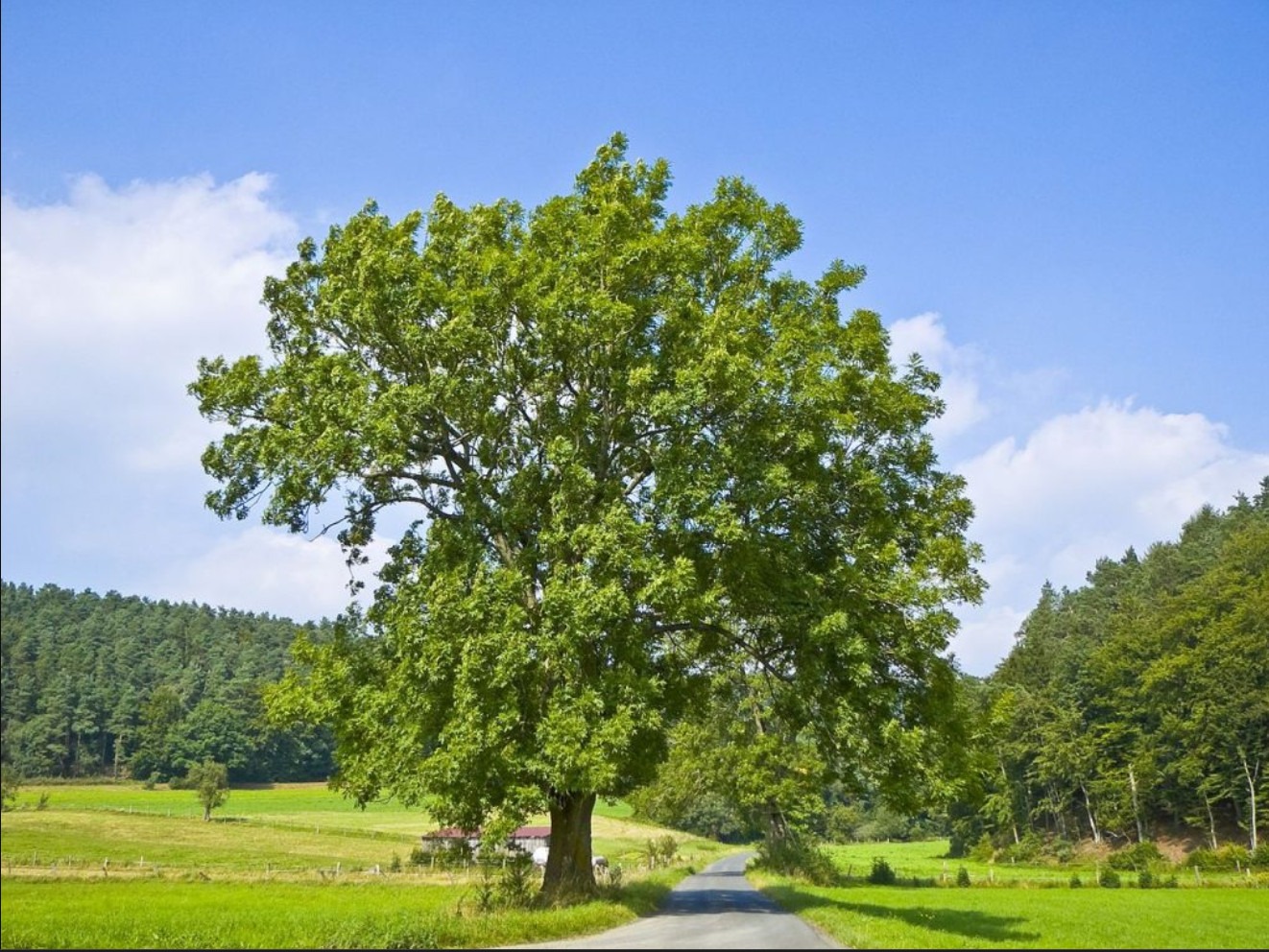
When it comes to high-quality native timbers, ash (Fraxinus spp.) holds a prominent position. It is a genus of deciduous trees widely found in European forests and in various regions of the Iberian Peninsula. Ash is particularly valued for the mechanical strength, elasticity and versatility of its wood.
For centuries, ash wood has been used to make tool handles, furniture and decorative objects, sporting equipment and numerous items that need to withstand mechanical stress. Today, it remains highly valued in cabinetmaking and woodturning, particularly by craftspeople looking to create strong, functional pieces with a well-defined natural grain. Unlike other high-density timbers, ash combines good strength with remarkable elasticity, a characteristic that has shaped many of its traditional uses. However, ash also has certain characteristics that need to be understood. Its generally coarse grain, porous structure and tendency to warp during drying call for careful timber selection and a considered approach to working it.
In this technical guide, we will examine the main characteristics of ash wood, its physical and mechanical properties, the differences between the main species found in the Iberian Peninsula, how it behaves in the workshop and its most common applications in woodturning.
What is ash?
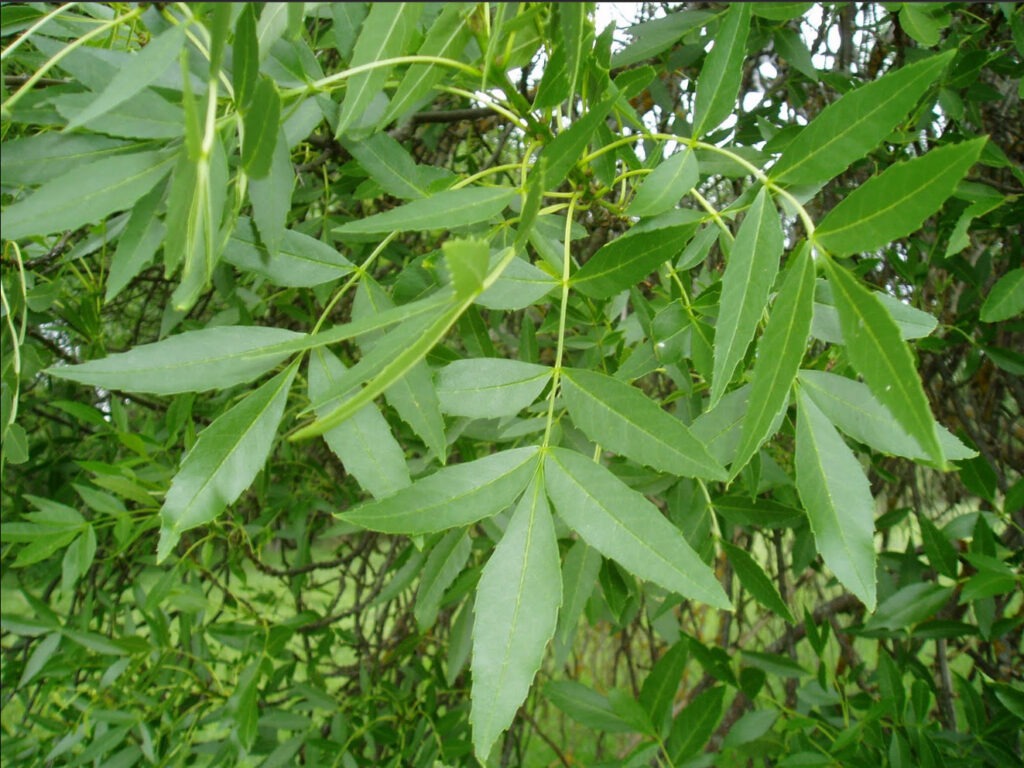
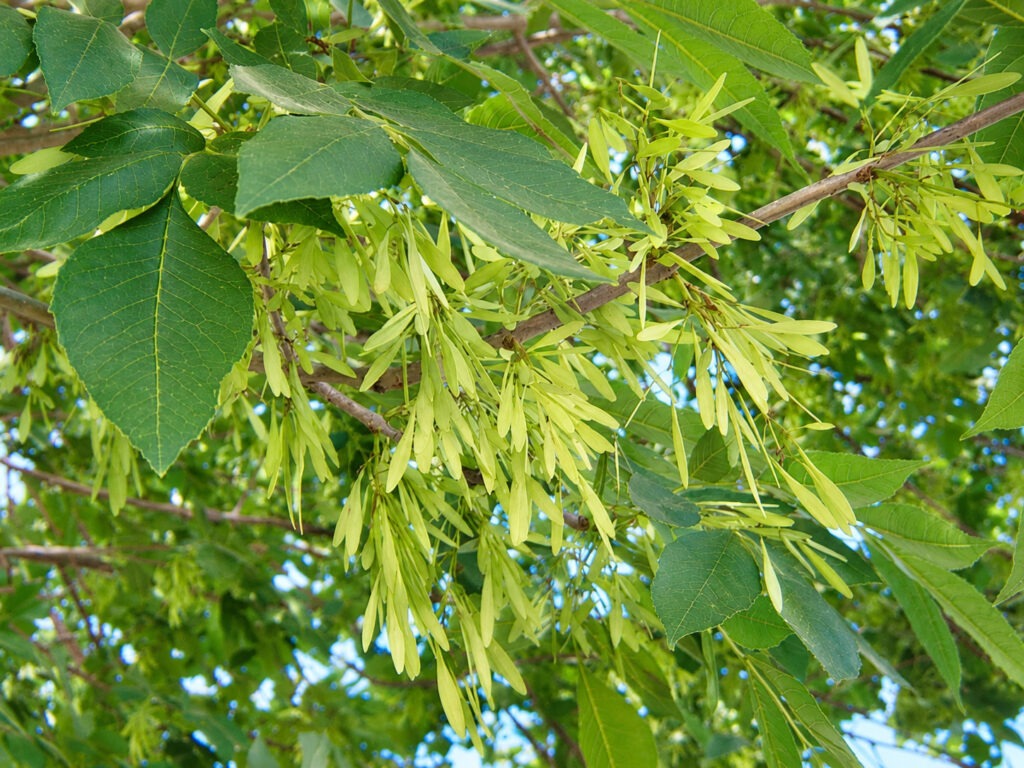
Ash belongs to the genus Fraxinus, which is part of the olive family (Oleaceae), the same botanical family as the olive tree. This genus comprises several dozen species of trees and shrubs, distributed mainly throughout the temperate regions of the Northern Hemisphere. Ash trees are deciduous and typically have compound leaves arranged in opposite pairs along the branches, as well as winged fruits known as samaras. Depending on the species and environmental conditions, they can grow to considerable sizes and develop trunks suitable for forestry use.
Several ash species can be found in the Iberian Peninsula, but three are of particular interest when considering the diversity of this genus: European ash (Fraxinus excelsior), narrow-leaved ash (Fraxinus angustifolia) and manna ash (Fraxinus ornus).
European ash is particularly representative of the cool, humid regions of the northern Iberian Peninsula, while narrow-leaved ash is characteristic of many Mediterranean environments, especially riparian woodlands. Manna ash, meanwhile, has a more localised distribution and is mainly associated with certain Mediterranean mountain areas.
These differences are not merely botanical. Growing conditions, water availability, soil fertility and trunk shape all influence the quality of the timber that can be obtained.
From a technical perspective, the best-documented data relate to European ash (Fraxinus excelsior). This species produces a medium-to-high-density timber that is strong, elastic and particularly suitable for applications requiring toughness. However, the properties of other species should not automatically be considered equivalent, as timber quality and behaviour can vary according to the species and its growing conditions.
Distribution and habitat
The genus Fraxinus is widely distributed across Europe, Asia and North America, with species adapted to a variety of ecological conditions. In the Iberian Peninsula, native ash trees are found mainly in riparian woodlands, valley bottoms, mountain slopes and locations where humidity and temperature conditions are favourable.
European ash (Fraxinus excelsior) is found mainly in the northern half of the Iberian Peninsula, particularly in areas with Atlantic and mountain climates. It is commonly found in the Pyrenees, the Pre-Pyrenees and other northern regions, growing in cool woodlands, along watercourses and in deep soils with good moisture availability.
Narrow-leaved ash (Fraxinus angustifolia) has a wider distribution throughout Mediterranean-climate regions. It is common in riparian woodlands, alluvial plains and valley bottoms, where its roots can access reserves of water in the soil. In Catalonia, it is also found in various humid environments inland and in Mediterranean areas.
Manna ash (Fraxinus ornus) has a more localised distribution in the Iberian Peninsula, particularly in certain mountainous areas of the eastern and Mediterranean regions. It can be found on slopes and in mixed woodlands, often on calcareous soils and in locations with more favourable moisture conditions than those found in the drier Mediterranean areas.
One of the most notable characteristics of ash trees is their relationship with water availability. Although Mediterranean species can withstand periods of drought, many depend on soils with sufficient moisture reserves to maintain adequate growth. Their distribution by altitude also varies according to the species and region. European ash can grow in mountainous areas, while narrow-leaved ash generally occupies low- and medium-altitude locations, particularly along rivers and in valley bottoms.
These ecological differences explain why the term ‘ash’ can refer to trees growing under different conditions and, consequently, to timbers with varying characteristics.
Climate adaptation
If there is one characteristic that defines the ecological behaviour of ash trees, it is their adaptation to environments where water availability plays a decisive role. However, climate tolerance varies considerably between the different species within the genus.
European ash (Fraxinus excelsior) prefers temperate climates, with moderate summers, cold winters and relatively high moisture availability. It grows particularly well in deep, fertile, well-drained soils and can withstand low winter temperatures when conditions are suitable.
Narrow-leaved ash (Fraxinus angustifolia) is better adapted to the Mediterranean climate and is more tolerant of dry summers, particularly when its roots can access water stored underground. This characteristic allows it to grow in riparian woodlands and valley bottoms, where other species may be more affected by seasonal fluctuations in moisture.
Manna ash (Fraxinus ornus) is also adapted to certain Mediterranean environments, but its distribution depends on the combination of temperature, humidity, altitude and soil characteristics.
Ash is a deciduous tree. Losing its leaves during the unfavourable season is part of its biological cycle and allows it to adapt to seasonal changes. Water availability and growing conditions also have a direct influence on the characteristics of the wood. Growth rate affects the width of the annual rings, the proportion of latewood and the final density. For this reason, two pieces of timber from the same species can differ noticeably in weight, strength and behaviour during machining.
In forestry, it is also important to bear in mind that several European ash species are susceptible to diseases such as ash dieback, which is associated with the fungus Hymenoscyphus fraxineus. This problem has particularly affected populations of Fraxinus excelsior in various European regions.
Growth and longevity
Under favourable conditions, ash trees can grow relatively quickly. This is particularly notable in European ash, which can develop sizeable trunks in fertile soils with good water availability. Ash is also generally characterised by relatively slow growth and high density, and can produce comparatively wide growth rings. This structure influences the properties of the wood, particularly its density, strength and grain appearance.
Longevity depends on the species, environmental conditions, competition with other trees and the health of each individual. Under favourable conditions, ash trees can live for several centuries, although not all specimens reach such an age. From a forestry perspective, timber quality depends largely on trunk shape, the presence of knots, grain straightness and growing conditions. Trees with straight trunks and few branches can provide higher-quality timber for carpentry, cabinetmaking and woodturning.
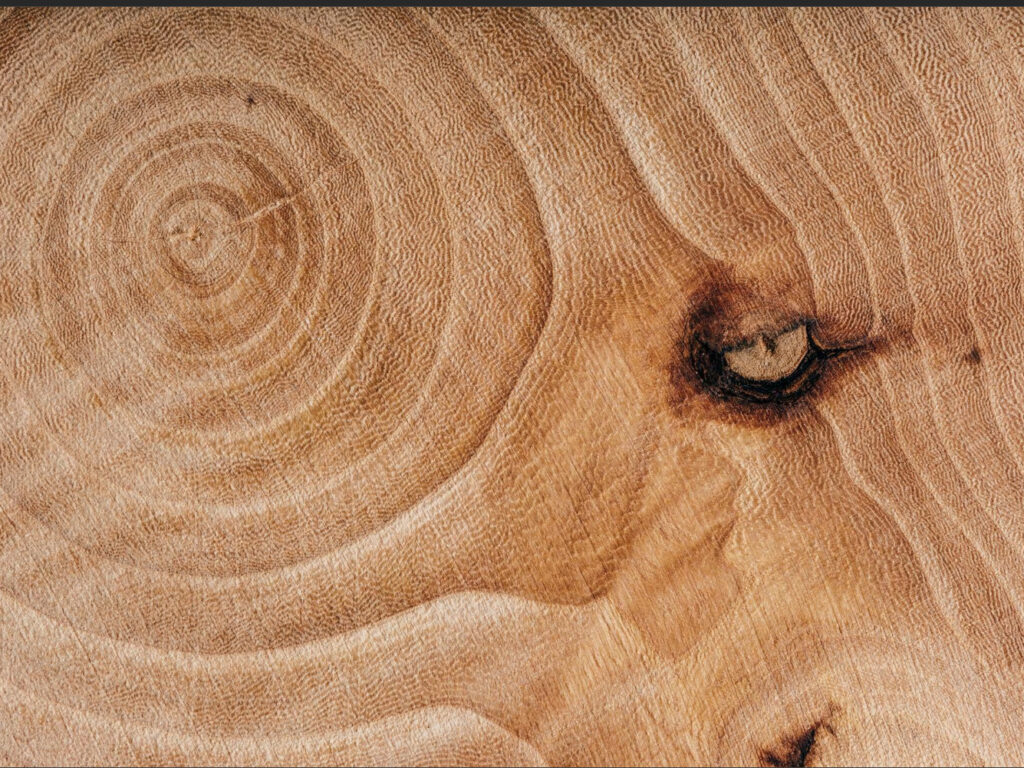
Ash wood has a ring-porous structure: large-diameter vessels are concentrated mainly at the beginning of each growth ring, while the wood formed later in the season has smaller vessels. This characteristic produces a visible grain pattern and contributes to the distinctive appearance of the wood.
For professional woodturners, this means having a material that combines strength, elasticity and a pronounced natural appearance. However, the final quality will depend on the selection of the timber, its moisture content and the machining technique used.
Properties of ash wood
Colour
One of the first characteristics that catches the eye when looking at ash wood is its light colour. The sapwood is usually creamy white to pale yellowish, while the heartwood can develop darker shades, ranging from light brown to brown or olive tones. The distinction between sapwood and heartwood is not always particularly pronounced. In some trunks, however, darker central areas or contrasting colour streaks may appear, giving the wood a distinctive pattern.
Over time, exposure to light and natural oxidation can slightly alter the surface colour. This change depends on the exposure conditions and the finishing system applied.
In woodturning, the light colour of ash is particularly interesting for pieces intended to have a natural, bright appearance with a clearly defined grain.
Grain direction
The grain of ash wood is generally straight, a characteristic that makes machining easier and contributes to its good performance in applications requiring mechanical strength.
However, not all pieces have perfectly regular grain. Some specimens may contain local deviations, interlocked grain, knots or areas of irregular growth. These features can alter the way the wood behaves during cutting.
When the grain is straight and even, ash can produce regular surfaces when worked with sharp tools. By contrast, areas where the grain changes direction can cause tear-out or minor surface irregularities if the cutting technique is not adapted accordingly.
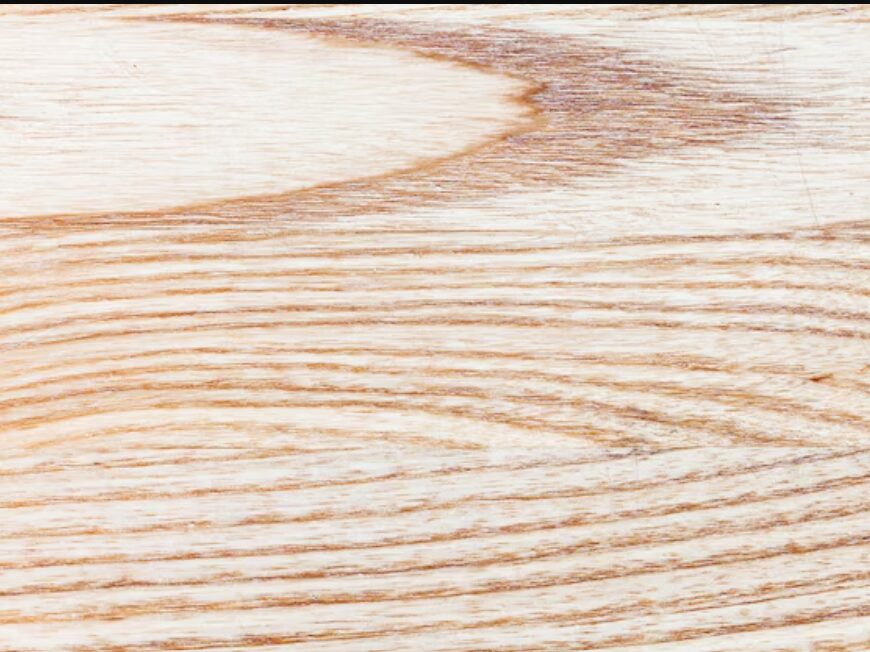
Texture
Ash wood is generally considered coarse-grained, with a visible texture and relatively large pores. This structure is characteristic of ring-porous timbers and contributes to the definition of the growth rings.
In certain cuts, particularly when the wood is worked longitudinally or tangentially, the difference between earlywood and latewood can produce a strongly defined grain pattern. This feature adds visual interest to turned pieces, but it also affects the surface finish. Open pores may remain visible after sanding and, if a very smooth surface is required, a grain filler may be necessary.
The coarse texture can also cause slight differences in cutting response between the different areas of a growth ring. To achieve an even finish, it is advisable to use sharp tools and avoid overly aggressive cuts.
Density
Density is one of the important properties of ash wood, as it directly affects its weight, mechanical strength and behaviour during machining. In European ash (Fraxinus excelsior), the density at 12% moisture content is generally around 680–710 kg/m³, although values can vary considerably depending on the origin and growing conditions. This places ash among the medium-to-high-density hardwoods. Its structure combines areas with relatively large vessels and fibrous tissues that contribute to its mechanical strength.
In practical terms, this produces a substantial timber suitable for functional objects and pieces subjected to stress. On the other hand, its density and coarse grain make it important to keep tools in good condition and maintain control over the cut during machining.
It is worth remembering that these figures relate mainly to European ash and should not automatically be applied to all species in the genus Fraxinus.
Hardness
Ash wood is generally considered a medium- to moderately hard timber, depending on the species and the measurement method used. Its most notable quality is not simply its surface hardness, but the combination of strength, elasticity and toughness. These properties explain its traditional use in tool handles, sporting goods, furniture components, decorative objects, lighting and items that need to withstand mechanical stress.
In woodturning, ash can be used to produce strong, functional pieces, provided that the grain direction is taken into account and the appropriate dimensions are maintained for each application.
Dimensional stability
Ash wood undergoes significant shrinkage during drying, particularly in the tangential direction. It should therefore not be considered a particularly stable timber when subjected to substantial changes in moisture content.
In European ash, indicative total shrinkage values are around 5–6% in the radial direction and 9–10% in the tangential direction, although these figures vary according to the origin and characteristics of the wood. If drying is not carried out properly, cracking, warping and internal stresses may occur, particularly in large-section pieces or trunks with an uneven distribution of moisture. This behaviour means that woodturners need to plan the working process carefully, especially when turning green wood. In hollow forms, wall thickness distribution and grain orientation are decisive factors in controlling distortion during drying.
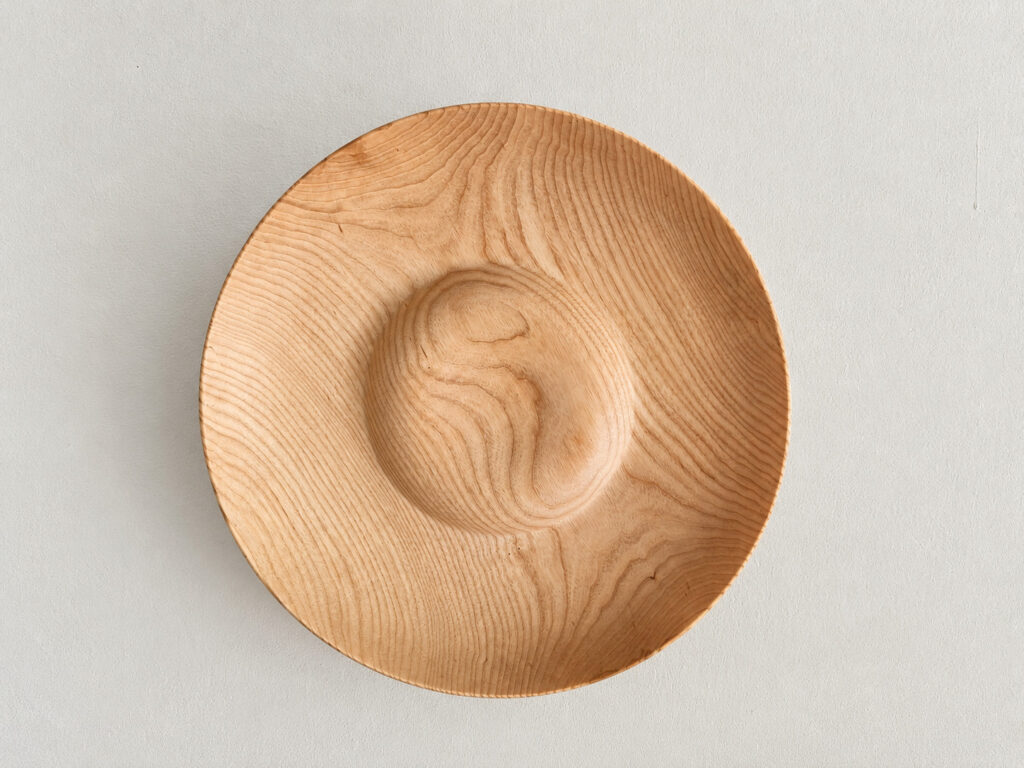
Natural durability
Ash wood is not particularly notable for its natural durability against wood-degrading fungi. In general, its heartwood is classified as slightly durable or non-durable, depending on the applicable standards and technical references.
This makes it particularly suitable for indoor applications or uses where exposure to moisture can be controlled. When it is intended for outdoor use, the conditions of use, contact with water, ventilation and need for protective treatments should all be considered.
Sapwood and heartwood may differ in their treatability, but the ability to absorb a protective product should not be confused with the wood’s natural durability.
How ash wood behaves during machining
Ash is generally a timber that machines well. It’s usually straight grain and mechanical properties allow it to be worked with suitable cutting tools, both during roughing and when shaping the final form. However, its coarse texture and visible pores require particular attention when a high-quality surface finish is desired. Earlywood and latewood may respond differently to cutting, while irregular grain can cause minor tear-out.
When tools are properly sharpened, ash generally behaves consistently. By contrast, a tool with a poor cutting edge can tear the fibres, generate friction and leave an uneven surface that will require more sanding. Choosing the right lathe speed, maintaining sharp tools and providing proper tool support are all important factors in achieving a clean cut. It is also worth bearing in mind that pieces containing knots, cracks or deviated grain may behave less predictably.
Compared with very hard and dense timbers, ash is generally less demanding to cut. Nevertheless, its mechanical strength and open-pored structure mean that good machinability should not be mistaken for an absence of challenges.
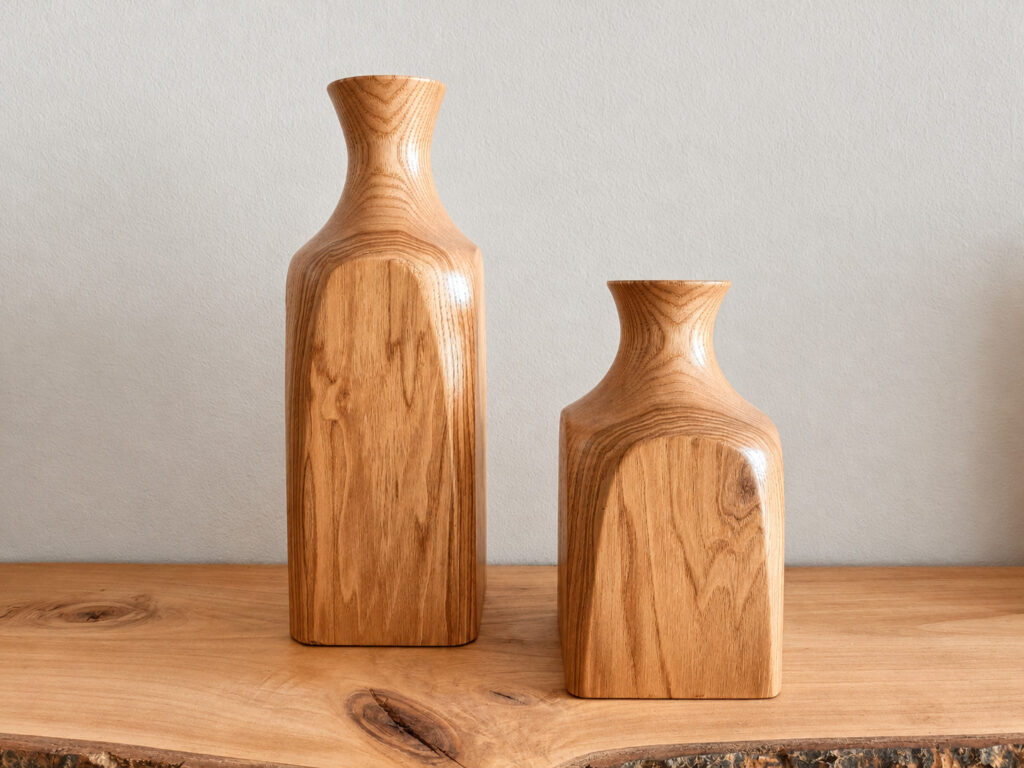
Turning ash wood
In woodturning, ash produces good results both when turned green and when using dry timber. Its behaviour, however, changes significantly depending on its moisture content and the type of piece being made.
When turned green, ash is usually easy to cut. This stage is particularly suitable for bowls and vessels, as it allows the piece to be shaped before drying is complete. However, the subsequent shrinkage must be taken into account, as it will alter the dimensions and may cause distortion. At this stage, the double-turning technique is commonly used: first rough-turning the piece while leaving sufficient wall thickness, then allowing it to dry slowly under controlled conditions, and finally turning it again to define its finished shape. The amount of material to leave will depend on the dimensions, grain orientation, initial moisture content and geometry of the object.
When the wood is dry, its behaviour is different. The workpiece has a more stable geometry, but cutting resistance may increase, and the quality of the finish will depend largely on the condition of the tools. In this case, it is particularly important to keep gouges and chisels sharp and to work with controlled cuts.
Ash’s coarse texture also affects sanding. Although very clean surfaces can be achieved, the pores will remain visible unless an appropriate sanding and finishing process is used. Despite these considerations, ash is a very interesting timber for woodturners. Its combination of strength, elasticity and pronounced grain makes it possible to produce functional and decorative pieces with a distinctive natural appearance. Would you like to discover different types of wood for turning? Then don’t miss our article Types of wood for turning: discover the 7 main timbers for woodturning enthusiasts.
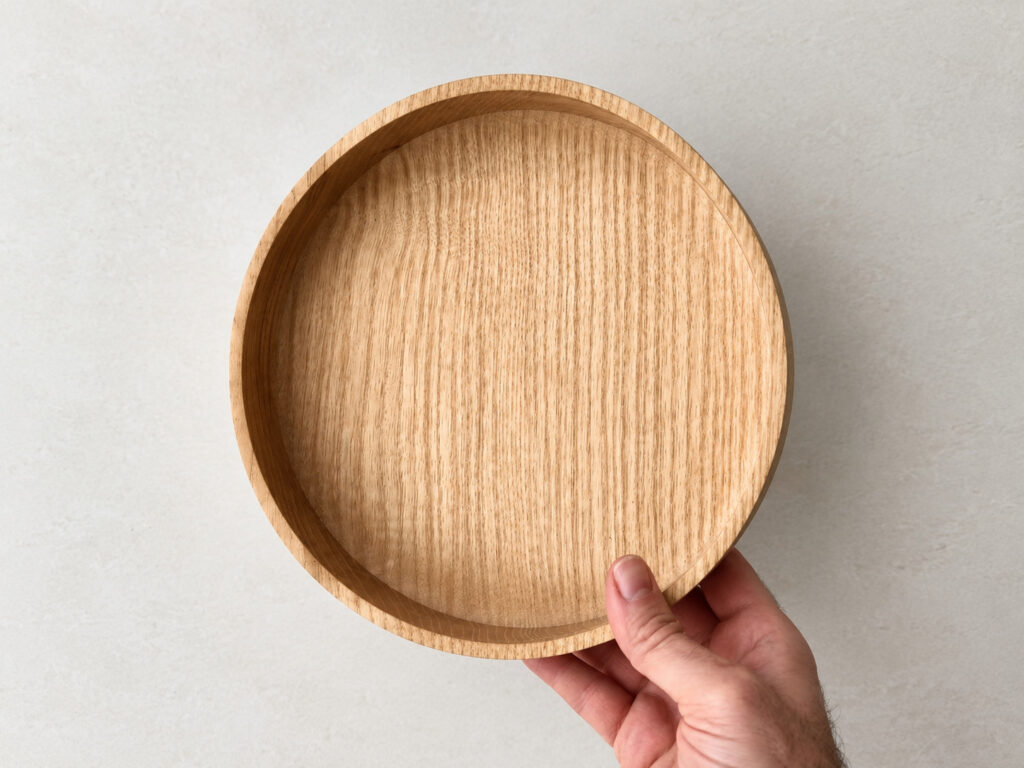
Recommended finishes
Ash wood responds well to different finishing systems, particularly those that preserve and enhance its light colour and the pattern of its growth rings.
Wood oils can intensify the grain and give the wood a warmer appearance. Some products may slightly darken the surface, so it is advisable to test the finish beforehand to check the result.
Waxes provide a smooth feel and a subtle sheen, making them particularly suitable for decorative objects. However, they offer limited protection against water and abrasion, so their suitability should be assessed in relation to the intended use.
Varnishes can provide greater surface protection against friction, spills and certain conditions of use. Their effectiveness will depend on the type of product, surface preparation and application method.
For pieces where a particularly smooth surface is desired, the coarse texture of ash may make it advisable to apply a grain filler before the final finish. This helps reduce the visibility of the pores and achieve a more uniform texture. In all cases, it is important to select the finishing product according to the function of the piece, particularly when making objects intended to come into contact with food or to be frequently exposed to moisture.
Common applications
The combination of mechanical strength, elasticity and light appearance gives ash wood a wide range of applications, particularly where good resistance to mechanical stress is required. In woodturning, it is commonly used to make wooden bowls, plates, vessels, tool handles, utensils and various functional objects. It can also be suitable for furniture components and decorative items where the natural grain is intended to stand out.
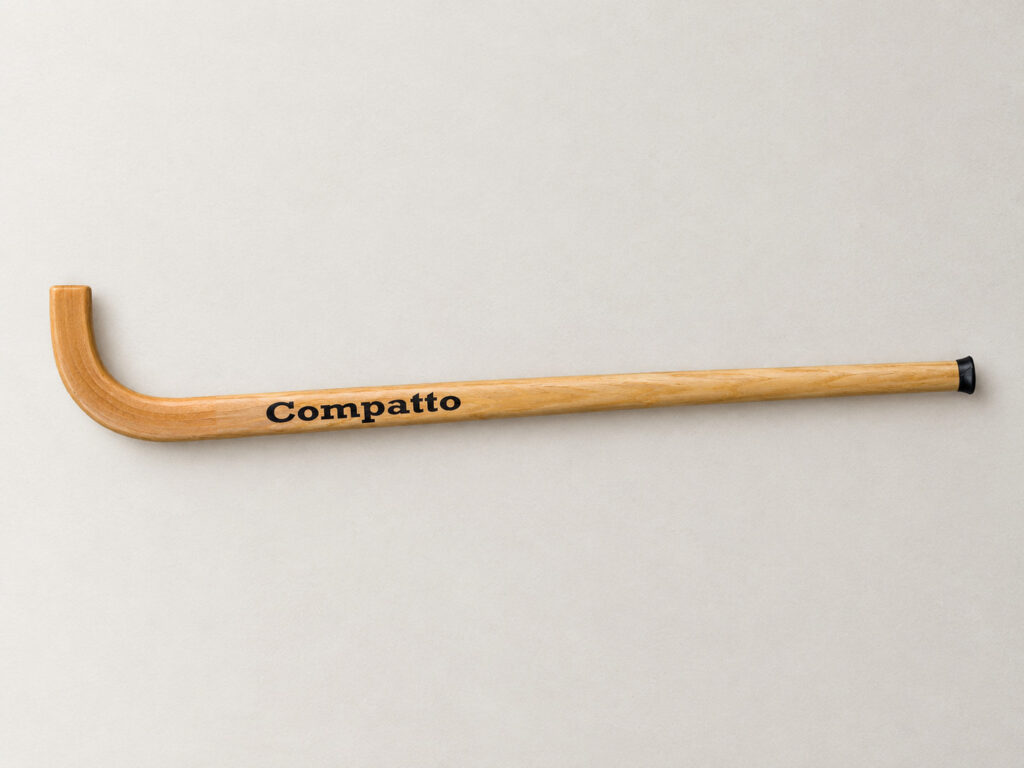
Traditionally, ash has been highly valued for tool handles and sporting goods, thanks to its toughness and ability to withstand repeated stress. These same properties make it an interesting timber for turned objects that require strength and good durability in indoor use. Selecting the right piece is essential. For objects subjected to mechanical stress, it is advisable to avoid poorly positioned knots, cracks and areas with strongly deviated grain, as these defects may compromise the finished piece’s strength. For decorative objects, on the other hand, the pattern of the growth rings and colour variations can be used to create pieces with a more expressive natural appearance.
Workshop experience
Practical observations by Jordi Pladevall
Ash is one of my favourite and most interesting timbers for woodturning because it combines good mechanical strength with generally straight grain and a light colour. However, its behaviour depends greatly on its moisture content and the characteristics of each individual piece.
When working with green wood, it is important to remember that the timber will continue to move during drying. For this reason, when making pieces such as bowls, it is usually preferable to leave sufficient wall thickness during the initial roughing stage and complete the turning once the wood has stabilised. When turning dry ash, the quality of the tool sharpening is crucial for achieving a clean cut and preventing the coarse grain from causing tear-out. It is also important to observe the direction of the grain, particularly in areas containing knots or changes in growth.
One of the most interesting aspects of ash is its visual appeal. Its light colour and clearly defined growth rings make it possible to produce pieces with an expressive grain pattern without having to resort to finishes that significantly alter its natural appearance. Being able to see this transformation is a very satisfying experience.
Frequently asked questions (FAQ)
Is ash wood suitable for woodturning?
Yes. Ash wood is suitable for woodturning thanks to its mechanical strength, elasticity and generally straight grain. It can be used to make functional and decorative pieces, although its coarse texture and visible pores require proper surface preparation.
Can ash be turned green?
Yes. Green woodturning is particularly interesting for larger pieces, such as bowls and vessels. However, it is important to bear in mind that the wood will shrink as it dries, and this shrinkage may cause distortion. For this reason, the double-turning technique is used for certain projects.
What types of projects are best suited to ash wood?
Ash is suitable for making bowls, plates, decorative vessels, tool handles, lighting components and other pieces requiring good mechanical strength. It is also an interesting choice for furniture components and decorative objects where a light colour and clearly defined grain are desired.
Which finish works best on ash?
Oils can enhance the grain and add warmth to the colour. Waxes are suitable for decorative pieces requiring a smooth feel, while varnishes can provide greater surface protection. If the aim is to reduce the visibility of the pores, using a grain filler may be worth considering.
Is ash wood stable?
Its dimensional stability is moderate and depends on the drying conditions and the characteristics of the individual piece. As it loses moisture, it can shrink and distort, particularly in the tangential direction. It is therefore important to control the drying process and allow for the wood’s movement.
Conclusions
Ash is one of the most interesting hardwoods for woodturning, thanks to its combination of strength, elasticity, toughness and natural appearance, with a clearly defined grain. It is not particularly difficult to machine when suitable tools are used, but attention must be paid to its moisture content, grain direction and surface preparation.
Unlike other tree species, the term ‘ash’ encompasses several species with ecological and technical characteristics that are not necessarily identical. European ash, narrow-leaved ash and manna ash grow in different environments and can produce timbers with varying properties. For this reason, knowing the species and origin of the material is important when assessing its characteristics.
In woodturning, careful timber selection, good control of the drying process and sharp tools make it possible to take full advantage of this material and produce strong, functional and visually appealing pieces. Ash therefore remains a versatile timber, combining the technical demands of craftsmanship with the aesthetic possibilities of natural wood.